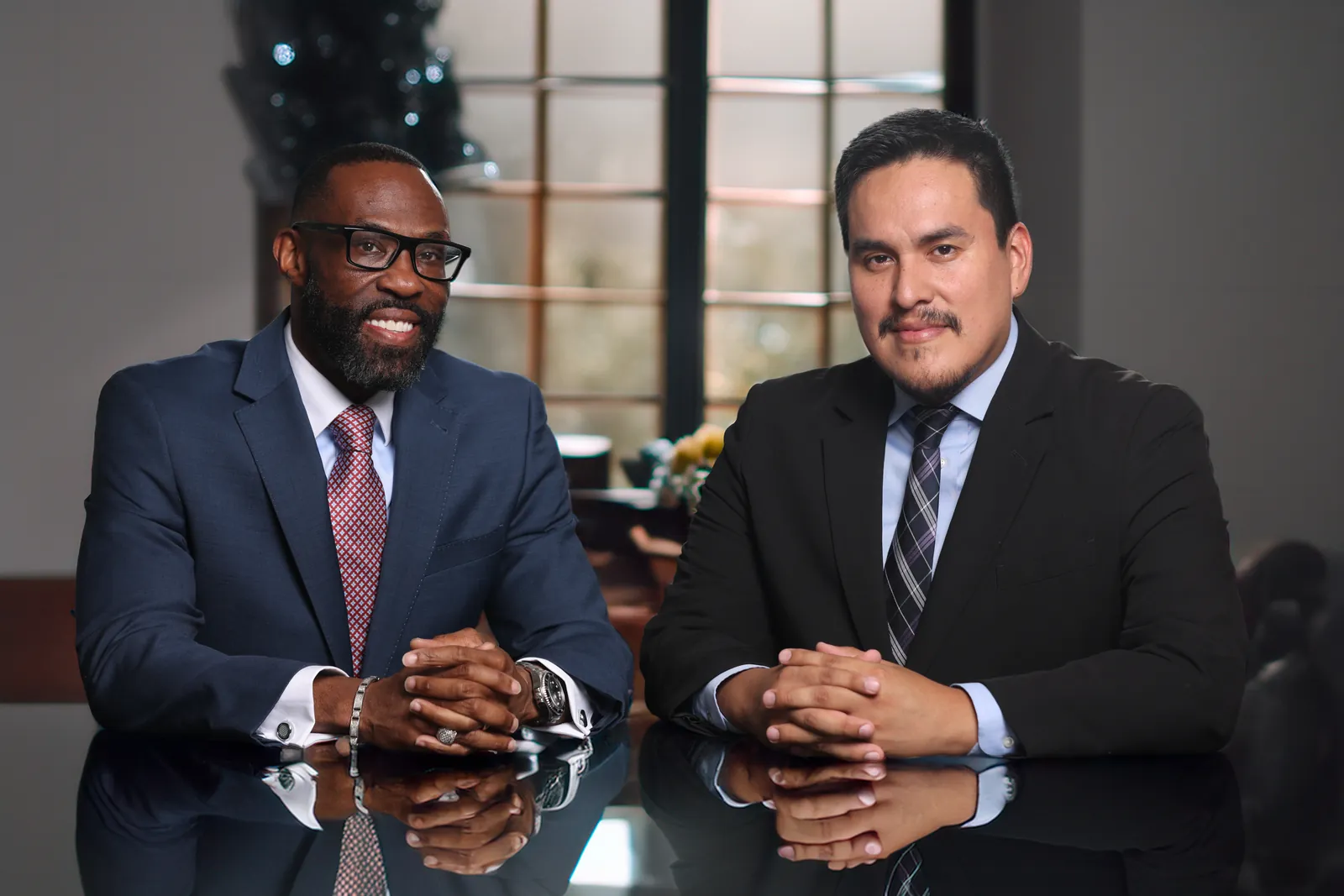
Reviewed by Carlos Vargas, Texas Licensed Funeral Director (TFSC #119648) ·
Twenty small tools, one rule
These tools were built for families arranging a repatriation from Texas, and for the relatives and friends helping them. Each one does a single job: keep a list, add up your own numbers, convert a time or a measurement, or prepare questions for an office. None of them stores what you type, sends anything to us or to anyone else, or tells you what an authority will decide.
That is the one rule behind all of them. A web page cannot know what your consulate, your airline or a registrar will require next week, so the tools organize what you have been told and show what is still unanswered. You can use any of them without contacting us.
Papers and offices
Start here if you are collecting documents or waiting on a consulate, a registrar or the Texas Secretary of State.
- Document checklist. Track each paper, who issues it and whether your case needs it.
- Questions for the consulate. Twelve questions to ask once, with room to record who answered.
- Copies and authentication organizer. Add up the certified and ordinary copies each recipient asked for.
- Translation needs organizer. Settle which pages, which translator and which stamps before paying.
- Order of operations organizer. Sort your steps by what each one waits for, with no dates.
- Business-day counter. Count an office’s open days between two dates from its own calendar.
The shipment and the journey
Use these when the carrier, the receiving funeral home or traveling relatives are the open questions.
- Container and weight planner. Convert measurements and weights into the units a carrier asks for.
- Flying with cremated remains. Questions for airport security, the airline and the destination.
- Personal effects checklist. Find where belongings are held and ask what may travel.
- Receiving funeral home handoff. A one-page note on what is coming, in what container and with which papers.
- Family travel organizer. See what is confirmed before anyone pays for a ticket.
People, time and money
These keep relatives informed, help you reach offices in other time zones and keep quotes comparable.
- Contact sheet. Keep each office, its role and your next question on one sheet.
- Contact window helper. Find the hours when you are free and an office abroad is open.
- Service time planner. Tell relatives abroad what time a service is where they live.
- Family update template. One written update so every relative works from the same facts.
- Quote organizer. Keep every amount beside the party that charges it.
Special situations and planning ahead
Less common needs, including a note you can write for your own family long before it is needed.
- Disinterment planner. Consents and Texas permits before someone already buried can be moved.
- Infant and child pathway. Whom to ask when a baby or child will be laid to rest abroad.
- Questions for a lawyer at home. A neutral question list for a lawyer in your home country.
- Repatriation wishes builder. An informal note telling your family where you wish to rest.
Why the tools ask questions instead of giving answers
The sources that govern a repatriation say plainly that requirements vary. IATA’s overview of transporting human remains by air states that there is no universal international standard for the processing and documentation requirements of a repatriation, and that the rules should be verified with the funeral home or the individual airline. The Texas DSHS Death Registration Handbook, revised January 2026, describes what is generally required for Mexico and, for every other country, directs funeral directors to that country’s consulate. It also makes the Burial-Transit Permit a Texas requirement whenever a body leaves the state. The Transportation Security Administration takes the same position for travelers carrying cremated remains: it tells them to check with their airline, because some airlines do not allow cremated remains in checked bags. And Texas DSHS releases certified records only to immediate family members, legal representatives and applicants who document a direct, tangible interest, which is why several tools ask who in the family is ordering copies.
On costs, the FTC Funeral Rule gives you the right to a General Price List and to an itemized statement from a funeral home, which is why the quote organizer keeps those charges apart from amounts set by carriers, consulates and businesses abroad. The same rule requires funeral directors to give price information by telephone when asked and lets you buy only the goods and services you want, so a family can compare funeral homes before choosing one, in Texas or anywhere else in the United States. Every tool page cites the primary sources it relies on and says what it could not verify.
| If you are asking | Open |
|---|---|
| What papers are involved and who has them? | Document checklist |
| What does the consulate want? | Questions for the consulate |
| What can move today? | Order of operations organizer |
| How do I compare what I was quoted? | Quote organizer |
| How do I keep the family informed? | Family update template |
Questions about the planning tools
- Do the planning tools save or send what I type?
- No. Each tool runs in your browser, builds text you can copy or download, and does not transmit or store your entries. Other services on this site follow their own privacy terms.
- Do I have to be a Vargas-London client to use them?
- No. They are free to use with any funeral home, in English or Spanish.
- Can a tool tell me what my destination requires?
- No. Requirements come from the consulate, the carrier and the registrar. The tools help you ask and keep the answers.