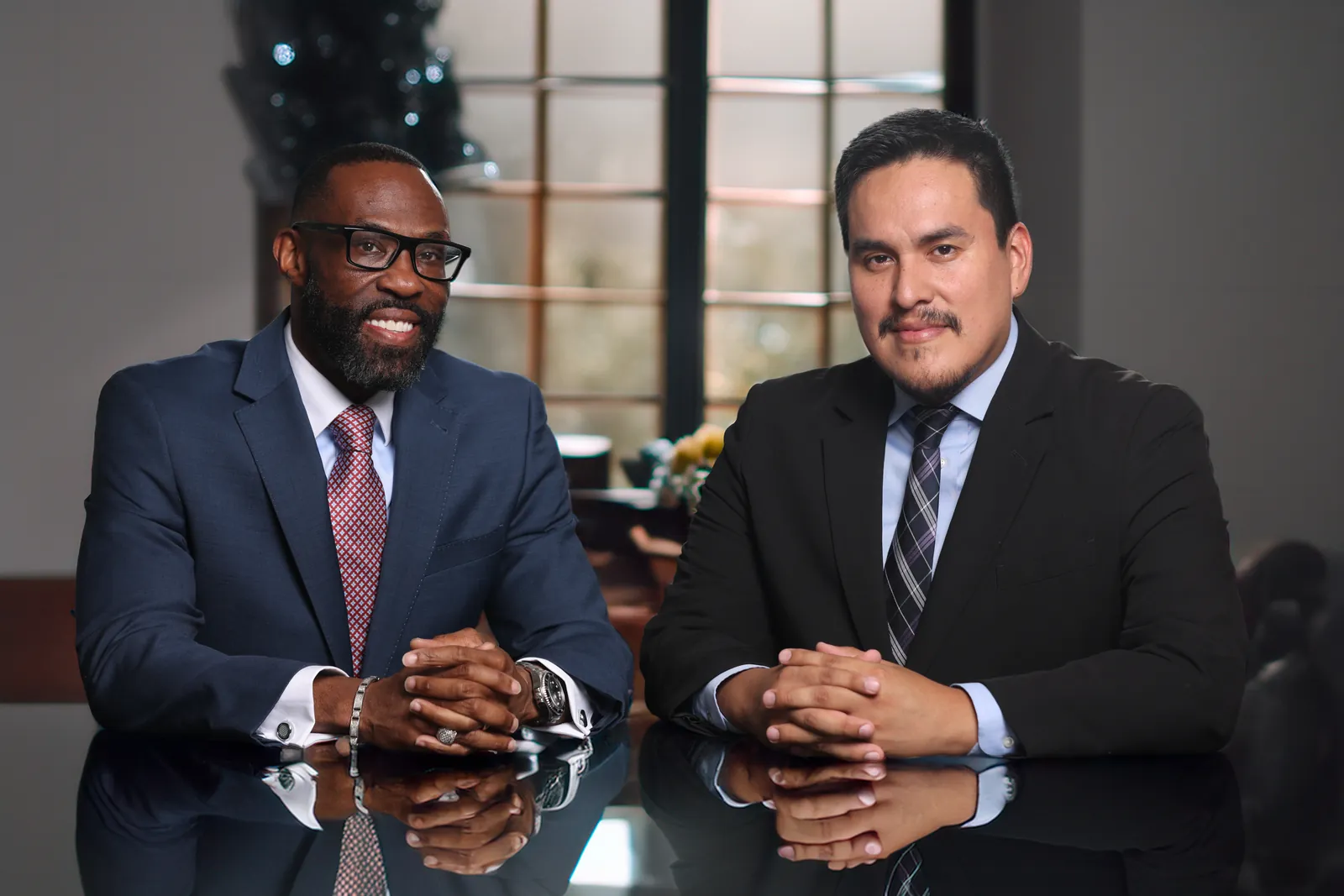
Reviewed by Carlos Vargas, Texas Licensed Funeral Director (TFSC #119648) ·
The Bolivian consulate for Texas is in Houston
Bolivia’s foreign ministry lists the Consulate General of Bolivia in Houston at 2401 Fountain View Dr., Suite 110, Houston, TX 77057, with public hours from 9:00 to 15:00, the telephone 1 (832) 916-4200, an emergency telephone, 1 (832) 486-1164, and the email colivianhouston@rree.gob.bo. The Texas Secretary of State’s list of foreign consulates shows the same office and no other Bolivian office in Texas. Bolivia also has consulates in New York, Miami, Los Angeles and Washington. We did not find a page that states which states Houston covers, so confirm with the consulate that it handles a death in Dallas.
Bolivia publishes no procedure for returning a body
The Houston consulate’s menu of services covers civil registry, passports, legalizations, notarial acts, household goods, visas and identity cards, with separate pages on consular assistance and protection. None of them describes the documents for sending a body or ashes to Bolivia. This is a real gap, not an exemption: the absence of a published list does not mean nothing is required.
Inside Bolivia the subject belongs to the health authorities. Supreme Decree 18886 of March 15, 1982, published in the official gazette, approved a set of regulations under the Health Code, and one of them is the regulation on bodies, autopsies, necropsies and transfers. We could not read the text of that regulation on an official site, so this guide does not describe what it requires. The practical path is to have the receiving funeral home in Bolivia say in writing what the health office and customs at the arrival airport will ask for, and to ask the consulate the same question by email before any document is ordered.
Recording the death with Bolivia
What Bolivia does publish is how to record the death. The Houston consulate’s civil registry page says its registrar records the death of a Bolivian abroad and asks for the original death certificate, or a copy legalized in the issuing country, translated if it is not in Spanish, with the translation also legalized or apostilled; the applicant’s valid identity card or passport; a forensic medical certificate if the death was accidental or violent; the birth certificate, identity card or passport of the person who died; and the identity documents of two adult witnesses who are not relatives, may be foreigners, and must be present.
Families who are already in Bolivia can use a different route. The civil registry service, SERECI, publishes a sheet on the recognition of a death recorded by a foreign authority. It asks for the foreign death certificate, apostilled or legalized, with an apostilled or legalized translation when it is not in Spanish; proof of the person’s Bolivian nationality; and a letter to the departmental director of SERECI from a relative or a legal representative.
Apostille and Spanish translation
The HCCH status table shows that Bolivia acceded to the Apostille Convention on September 6, 2017 and that it entered into force on May 7, 2018. For a death in Dallas, the apostille on the Texas death certificate is issued by the state; see the Texas Secretary of State authentication FAQ. Both Bolivian pages above expect a Spanish translation that is itself apostilled or legalized. Ask the consulate who may make that translation before paying for one.
What the consulate says about assistance
The Houston consulate’s consular assistance page names a death among the emergencies in which a consulate assists its nationals. It does not say the consulate pays for anything. On September 17, 2026 the foreign ministry reported on one case, a building collapse in Brazil in which several Bolivians died, and said the State covered the air transport in full. That was a single disaster, not a program, and families should not plan on it. The insurance and assistance guide lists other places to ask.
Routes and what the airlines publish
We found no airline page that shows a direct flight from Dallas/Fort Worth to Bolivia, so expect at least one connection, and settle the arrival airport, La Paz, Santa Cruz or Cochabamba, with the receiving funeral home first. Avianca Cargo’s page on special cargo lists what it asks for with human remains: a permit for international transit granted by the health authority where the death occurred, an embalmer’s certificate, the death certificate, and copies of the passports of the person who died and of the relative or representative requesting the transport. LATAM Cargo publishes a human remains service page, and American Airlines Cargo’s TLC page says its specialists work directly with funeral homes on the advance arrangements. None of these pages names a route to Bolivia; ask the cargo desk.
| Step | Who to ask |
|---|---|
| Death certificate, preparation and Texas transit permit | The funeral director here |
| Apostille on Texas documents | Texas Secretary of State |
| Whether Houston handles the case, and what it wants | Consulate General of Bolivia in Houston |
| Health and customs requirements on arrival | The receiving funeral home in Bolivia, in writing |
| Recording the death | The Houston consulate, or SERECI in Bolivia |
| Acceptance of the casket and the route | The airline’s cargo desk |
Questions families ask about a return to Bolivia
- Which Bolivian consulate covers Dallas?
- The only Bolivian office the Texas Secretary of State lists is the consulate in Houston. We found no published statement of its territory, so confirm with the consulate.
- What documents does Bolivia require for a body?
- We found no official Bolivian page that lists them. Ask the receiving funeral home and the consulate in writing before ordering documents.
- Does the death certificate need an apostille?
- To record the death with Bolivia, yes. The consulate and the civil registry ask for the certificate apostilled or legalized, with a Spanish translation treated the same way.
Sources checked and case confirmation
Sources checked September 21, 2026. Bolivia’s regulation on the transfer of bodies could not be read on an official site, and no Bolivian airline cargo page was found. Confirm documents, fees, route and receiving arrangements for the individual case. Contact Vargas–London with the origin and destination to discuss the next step without sending medical or identity documents through the inquiry form.