For families in Dallas, Colorado’s newly finished funeral-home overhaul is a reminder of what you are entitled to expect from any funeral home in Texas: a licensed director, a licensed establishment, a state agency that inspects it, and an itemized General Price List before you agree to anything. Colorado spent three years building those protections after a series of scandals; Texas has had most of them on the books for decades, and knowing how to use them is what protects your family.
According to Connecting Directors, Colorado lawmakers completed the reform in June 2026 with House Bill 26-1258, a cleanup measure that consolidates two earlier laws passed in 2024. The state’s Division of Professions and Occupations held an emergency rulemaking session with a September 1 deadline, and the core requirements take effect January 1, 2027. The reform followed the 2023 discovery of nearly 190 decomposing bodies at a Penrose funeral home and an earlier body-brokering case in Montrose.
What changed in Colorado’s funeral home law?
The biggest change is that Colorado, long the only state without funeral director licensing, will now require licenses for funeral directors, embalmers, cremationists and natural reductionists beginning in 2027. The state also collapsed its separate funeral home and crematory registrations into a single Funeral Establishment license, added a mandatory annual inspection, required $1 million in liability insurance, prohibited the stacking of bodies, set standards for dignified and sanitary transport, and raised the crime of abuse of a corpse from a class 6 to a class 5 felony. An associate license track for people entering the profession starts in 2027 as well.
How does this affect Dallas families?
Directly, it does not; Colorado law stops at the Colorado line. Indirectly, it matters because the failures that drove the reform were failures of oversight, and families everywhere should know what oversight exists where they live. In Texas, the Texas Funeral Service Commission licenses funeral directors and embalmers, licenses funeral establishments and crematories, inspects them, and takes consumer complaints. When you walk into a Dallas funeral home, the establishment license and the director’s license should be posted, and you have every right to ask to see them and to look them up on the Commission’s website before you sign anything.
What should families ask a funeral home?
Ask four things before you discuss money: who is the licensed funeral director handling the arrangement, where is the body cared for and refrigerated, which crematory or cemetery will be used, and may I have the itemized General Price List. The Federal Trade Commission’s Funeral Rule requires every funeral provider in the country to hand you that list at the start of an in-person arrangement and to quote prices over the phone. A home that hesitates on any of those four questions has told you what you need to know.
How is a funeral home regulated in Texas?
Texas regulates funeral service under the Occupations Code and the rules of the Texas Funeral Service Commission. The Commission issues and renews licenses, requires continuing education, inspects establishments and crematories, investigates complaints, and can fine, suspend or revoke a license. Texas also requires that a licensed funeral director be in charge of the establishment and that the establishment’s license number appear in its advertising and on its website, which is why you will see license numbers in the footer of reputable Dallas funeral home sites. If something feels wrong, the Commission’s complaint process is open to any family, at no cost.
What does this mean for preneed planning?
If you are pre-planning, licensing is the first thing to verify, because a preneed contract can sit for many years. In Texas, preneed funeral contracts are regulated separately by the Texas Department of Banking, and the seller must hold a preneed permit in addition to the funeral establishment license. Ask to see both, ask how the funds are held (insurance-funded or trust-funded), ask which items are price-locked and which are billed at the time of need, and keep a copy of the General Price List you relied on with the contract. A reform like Colorado’s is a good prompt to pull out an old preneed contract and confirm the provider is still licensed and still in business.
Frequently Asked Questions
Was Colorado really the only state without funeral director licensing?
Yes. Until the 2024 laws, Colorado registered funeral homes but did not license individual funeral directors or embalmers, making it the only state without a licensing requirement. Texas, by contrast, has licensed funeral directors and embalmers through the Texas Funeral Service Commission for decades, and posts license status online.
How can I check a Texas funeral home’s license?
The Texas Funeral Service Commission publishes a license lookup on its website where you can search an establishment, a crematory, a funeral director or an embalmer by name or license number. The establishment license number must also appear on the home’s advertising and website. If you cannot find a license, ask the funeral home directly before proceeding.
Do Texas funeral homes get inspected?
Yes. The Texas Funeral Service Commission inspects licensed funeral establishments and crematories and investigates consumer complaints, and it can issue fines or revoke licenses for violations. Colorado’s new law adds a mandatory annual inspection; Texas inspections follow the Commission’s schedule and complaint history rather than a fixed calendar.
How My Dallas Funeral Home Can Help
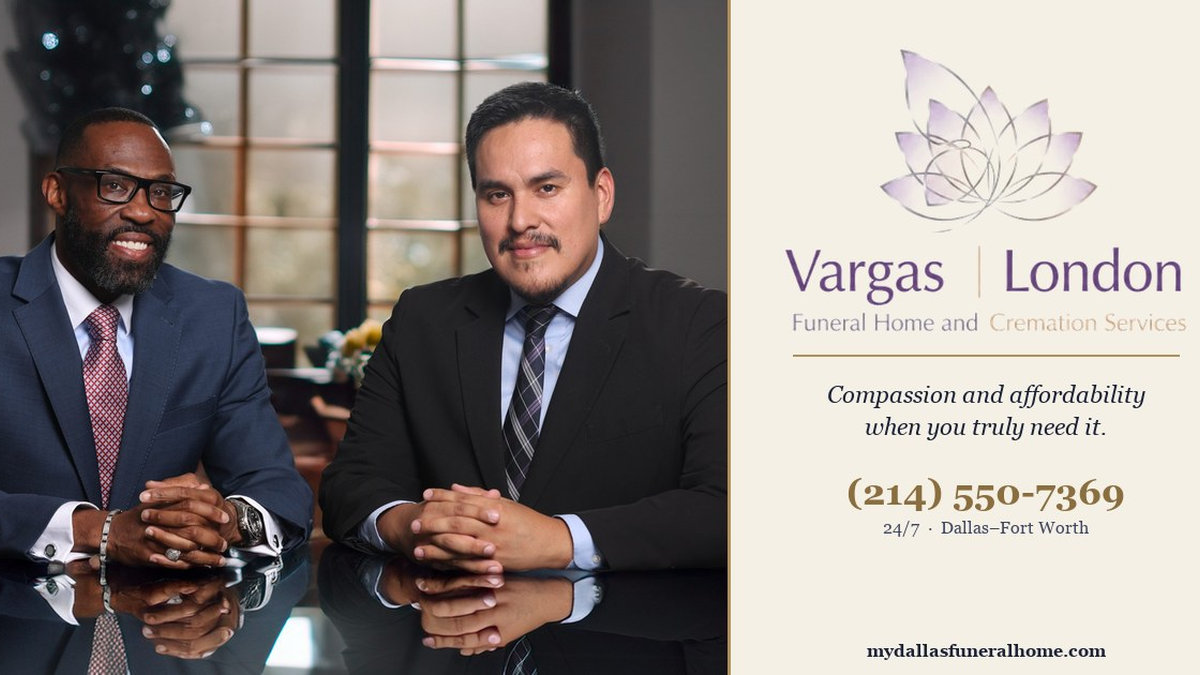
My Dallas Funeral Home operates under a Texas establishment license and a licensed funeral director, posts its license numbers on every page, and hands every family an itemized General Price List before any discussion of cost. If you want to compare how funeral homes are regulated, or simply want to see the paperwork before you decide, call Carlos Vargas, Licensed Funeral Director, at (214) 550-7369 or email carlos.vargas@mydallasfuneralhome.com. There is no charge to ask, and no pressure to choose.
By Carlos Vargas, Licensed Funeral Director.